
Uncategorized
Managing Food Allergies with Ayurveda

Apr
Across the world today, we are witnessing a profound shift in human health. Food allergies, once relatively uncommon, are now appearing with increasing frequency—not only in adults but also in very young children and even newborn babies. Physicians and specialists are observing this trend with concern as families struggle to understand how to nourish their children safely. To address these concerns, I contribute my insights of Ayurveda—an ancient system of dietary wisdom that has long explored the relationship between food, digestion, immunity, and individual constitution.
I seek to help families who face a very practical and emotional question:
What do we cook now?
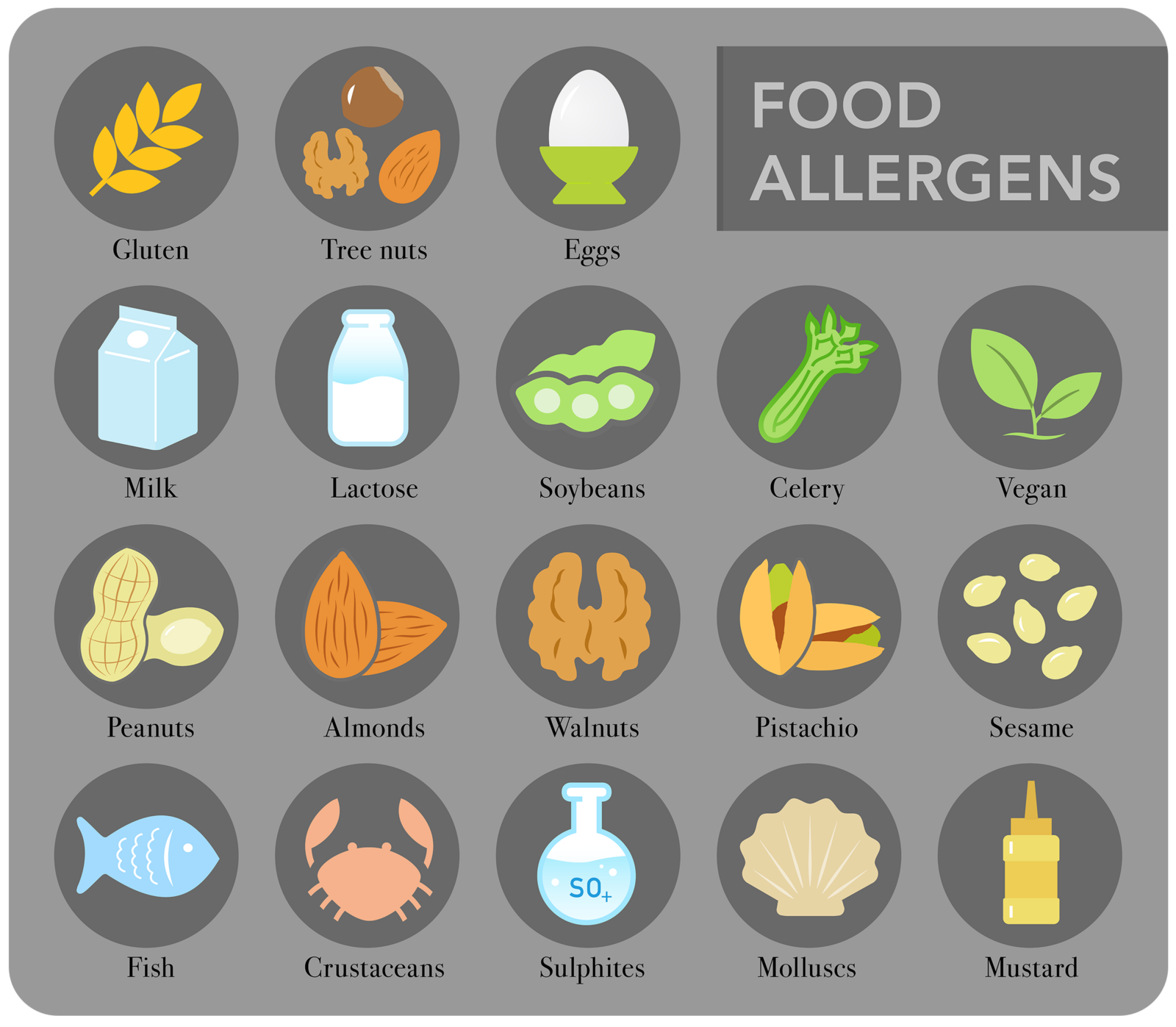
For many parents, a diagnosis of food allergies introduces uncertainty and fear. Foods that have been staples for generations suddenly must be removed. The most common food allergens are milk, egg, wheat (gluten), soy, peanuts, tree nuts, fish, shellfish, sesame, and a few regional allergens, including mustard, buckwheat, and corn. Many of these ingredients that are deeply embedded in cultural traditions can no longer be used. Parents may feel overwhelmed and unsure of how to provide nourishment while maintaining the familiar flavors and rituals that make meals meaningful.
Ayurveda offers a gentle but powerful way to approach this challenge. For thousands of years, Ayurveda has taught that health begins not simply with what we eat, but also how we digest and assimilate food. You may have heard the quote, “to eat is human; to digest is divine.” At the heart of this understanding lies the concept of agni, the digestive fire that transforms food into nourishment for the body and clarity for the mind. When digestion is strong, food becomes vitality (ojas). When digestion is weak or overwhelmed, the body may react with discomfort, inflammation, or intolerance, due to clogging of the flows in the body, which causes toxins or ama.
Although Ayurveda developed long before the modern medical language of food allergies, it has always recognized a fundamental truth: every individual responds differently to food. Differences in constitution (dosha), digestive strength (agni), age, environment, and lifestyle all influence what the body can comfortably receive. Ayurveda therefore teaches adaptability rather than rigidity. When a particular food does not suit the body, the response is not deprivation but creativity—finding other foods that nourish, balance, and sustain life. In this way, dietary restrictions can become an opportunity to rediscover the richness of the natural food world: grains such as millets and rice, nourishing legumes, seasonal vegetables, seeds, fruits, and healthy oils, all enhanced by the intelligent use of spices that support digestion and flavor.
The goal is not simply to avoid allergens but to create meals that are wholesome, satisfying, tasty, and culturally meaningful.

Nature: The First Kitchen Pharmacy
Long before laboratories, pharmacies, and modern nutrition science, human beings turned to nature for nourishment and healing. The Earth itself provides an extraordinary apothecary—grains, seeds, herbs, roots, fruits, and spices—each carrying unique properties that support digestion, immunity, and vitality.
In Ayurveda, the kitchen has always been regarded as the first pharmacy and the cook as the first healer in the home. Ayurvedic aphorisms capture this philosophy:
“When diet is correct, medicine is of no need.”
“When diet is incorrect, medicine is of no use.”
“All disease begins in the digestive system.”
The foods we prepare daily are not simply ingredients combined for taste; they are part of a living relationship with nature. Every plant carries intelligence shaped by the sun, soil, water, and seasons. When we bring these foods into our kitchens, we participate in a cycle of nourishment that has sustained humanity for thousands of years.
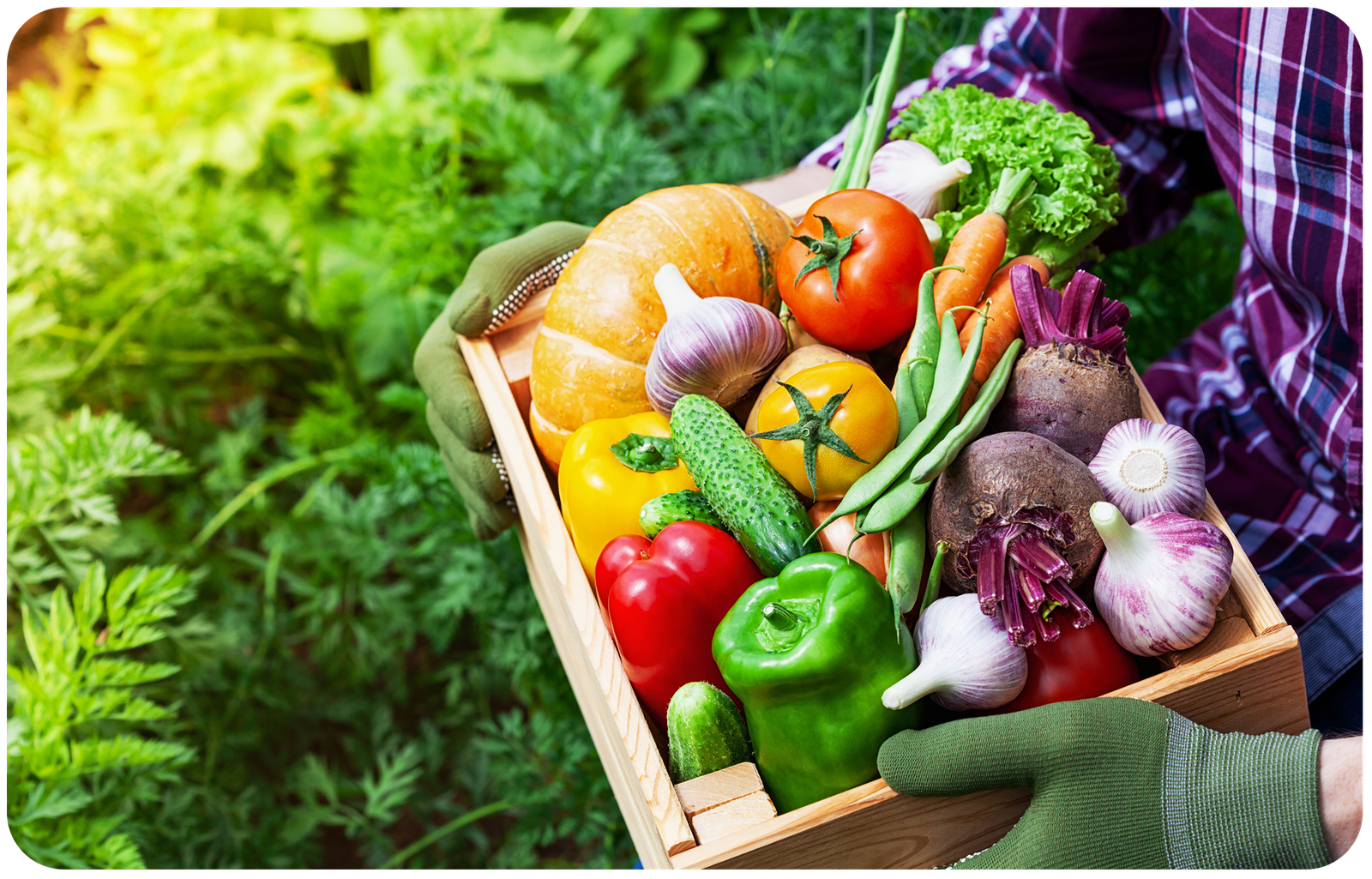
Yet in the modern world, this profound gift of nature is often overlooked or taken for granted. Food has become increasingly processed, simplified, and disconnected from the natural rhythms that once guided how we ate. As a result, many people have lost touch with the remarkable healing potential that lies in the everyday ingredients sitting quietly in our kitchens.
Ayurveda reminds us that the spices, herbs, and grains that flavor our meals also carry functional benefits for digestion and resilience. Turmeric supports balance and calm in the body. Ginger awakens digestion and warmth. Cumin and coriander help the body process food more efficiently. Fennel soothes and comforts the digestive system. These ingredients are not exotic medicines reserved for illnesses—they are meant to be used daily in small, thoughtful ways. This is the essence of the kitchen pharmacy: nourishment that works gently and consistently through everyday meals.
For families caring for children with food allergies, this perspective can be deeply reassuring. When certain foods must be avoided, the focus naturally shifts toward what remains available. Nature offers an abundance of alternatives—whole grains, legumes, vegetables, seeds, fruits, and healing spices—that can be combined creatively to produce meals that are both safe and deeply nourishing.

Ayurveda encourages us to approach food preparation with awareness, simplicity, and respect for nature’s wisdom. When we cook with whole ingredients and mindful combinations, we strengthen digestion and support the body’s natural intelligence. In this way, the kitchen once again becomes a place of empowerment rather than fear. Parents who may initially feel overwhelmed by food restrictions can rediscover confidence in the quiet abundance of nature’s pantry. What may seem like limitations can become an invitation to explore new grains, new flavors, and new ways of preparing familiar dishes—while still honoring the cultural traditions that make food meaningful.

As an old Ayurvedic teaching reminds us:
“Nature itself is the physician; the kitchen is its dispensary.” When we reconnect with this simple truth, we begin to see that the answers we seek are often already present in the foods growing around us. We become more conscious of our choices and lifestyle. And in a time when allergies are becoming a global challenge, this ancient wisdom becomes more relevant than ever, as it brings perspective to the modern world. Both medical science and Ayurveda can work in collaboration to bring about a balanced approach.
The Intelligence of Spices: Small Ingredients, Profound Impact
When we talk about spices, we naturally highlight turmeric, cumin, coriander, ginger, and fennel. Studies have shown that these spices and many others I will mention later have substantial health benefits.
These simple teachings remind us that food preparation is not merely a technical task—it is an act of care and wisdom. Especially when raising children with food sensitivities, the kitchen becomes a place where nourishment, creativity, and love come together.
An Ayurvedic framework supports the goals of families to approach allergen-aware cooking in a way that strengthens digestion, supports immunity, and preserves the joy of savoring food.
By combining the clinical knowledge of modern allergy medicine with the timeless insights of traditional food wisdom, we hope to offer families something invaluable: confidence in the kitchen and reassurance at the table.
Even in the face of dietary limitations and restrictions, food can remain a source of nourishment, resilience, and connection.
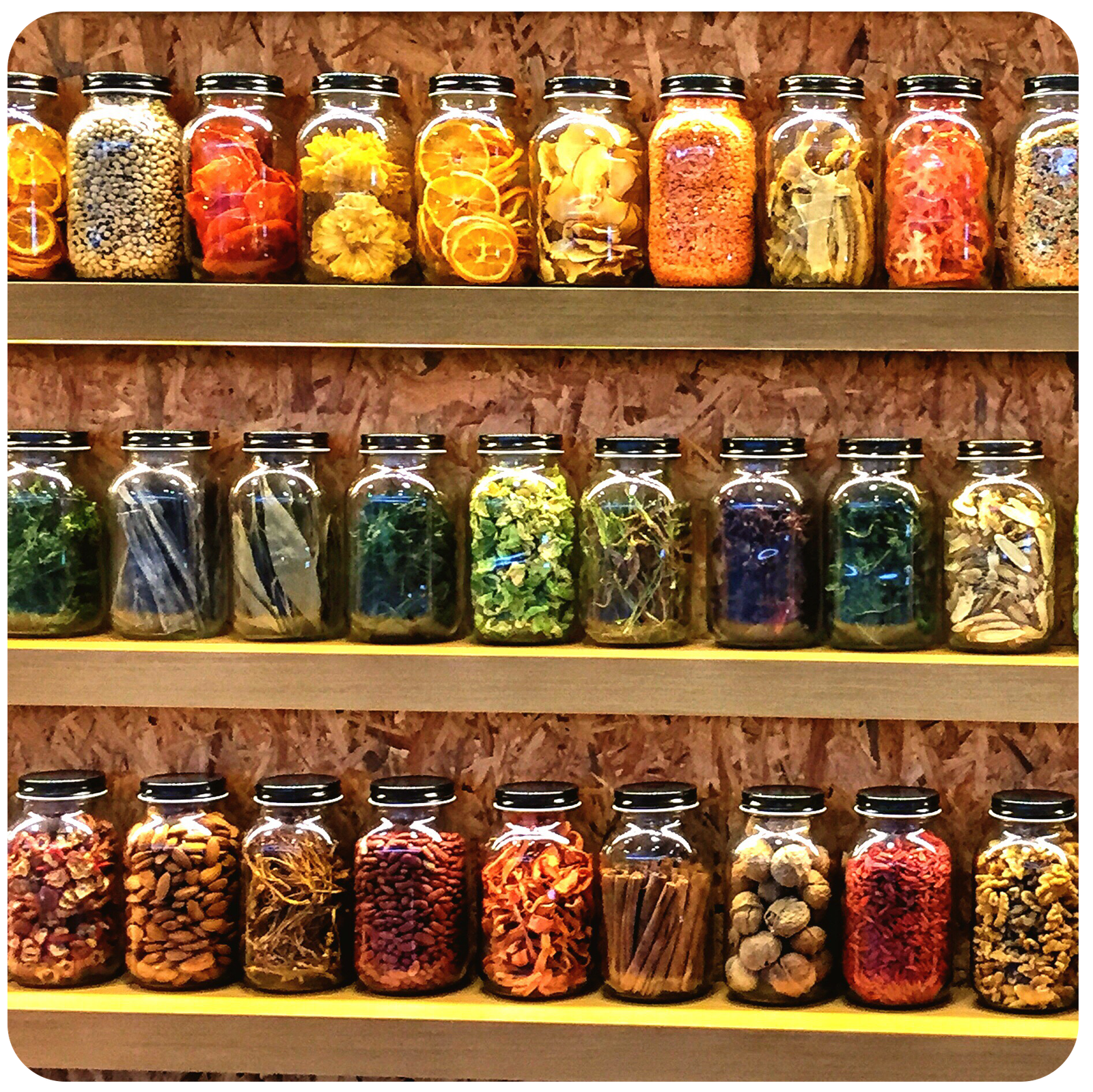
In the Ayurvedic kitchen, spices are far more than flavoring agents. They are the quiet intelligence of the meal—small in quantity, yet profound in their influence. For thousands of years, traditional cultures have relied on spices not only to enhance taste but to support digestion, assimilation, and balance within the body.
In homes across India and many other parts of the world, these spices and herbs have quietly served as part of the everyday kitchen pharmacy.

Arrow Root: A starch made from the root of a tapioca or cassava plant as a gluten-free thickener.
Asafoetida (hing): Commonly known as Devil’s Claw, this pungent, sulfur smelling spice contains a variety of health benefits. Add a small amount to your cooking oil to dissipate the aroma, and then add remaining recipe ingredients. Asafoetida helps with flu, cancer, and digestive ailments such as flatulence and Irritable Bowel Syndrome.
Black Cumin Seed (kala jeera): Black cumin seed is known as the “amazing cure all.” It is a remedy for every disease because of its ability to help boost immunity, protect the heart, battle carcinogenic properties, asthma and allergies, skin issues, and digestive issues.
Black Pepper (kala mari): This spice is a common condiment to every meal. This spice is used to season meats and foods to prevent them from spoiling. When used medicinally, it is known to help with constipation, diarrhea, insect bites, tooth decay, sunburn, arthritis, heart disease, lung disease, and symptoms of the common cold. To relieve a cough, add two to three black peppercorns (freshly ground) with half a teaspoon of cumin seeds and a pinch of black salt to warm water and drink twice a day.
Cardamom (elaichi): Cardamom and cardamom pods are known as the queen of spices due to its unique aroma and flavor. It is used for calming the gut, decreasing bad breath, stopping ulcers, and preventing colon cancer. Cardamom pods are best used in savory dishes with liquid bases while ground cardamom is best used in sweet dishes.
Carom (ajwain): Ajwain has been known to be good for the heart because of the stimulation action. Also, when a fever is present with shivering, take a half teaspoon of ajwain powder with warm water to reduce fever and provide warmth to the body. Ajwain is used for respiratory ailments to reduce the formation of phlegm, to relieve aggravated abdominal gas, and bacterial infection.
Cilantro (dhaneeyaa): Cilantro is grown from coriander seeds. This herb contains powerful natural cleansing properties which help remove heavy metals and other toxins from the body. When cilantro is ingested, it binds to heavy metals and transports them out of the body. It helps stimulate digestion, protect against infection, ward off urinary tract infections, and ease hormonal mood swings associated with menstruation. To use in cooking, remember cilantro is too delicate to withstand heat. Therefore, it can be added in the last few minutes of cooking or used as a garnish.
Cinnamon (dalchini): Cinnamon is used to treat urinary problems by naturally stimulating the kidneys. Mix 1 to 3 grams of cinnamon powder with a glass of water. It aids in respiratory ailments, toothaches or cavities, flatulence and diarrhea caused by infections and worm infiltrations.
Clove (laung): Clove is recommended for toothache relief and as a disinfectant. Press a clove or clove-oil dipped cotton ball between the teeth to provide comfort. Clove oil can be warmed and massaged onto skin to aid sciatica, arthritis, and headaches. Clove is a safe option for lactating mothers to enhance and cleanse the milk. Mix 1 to 2 grams of powder with warm milk, and drink twice daily.
Coriander (dhania): offers a gentle, cooling balance. Light and fragrant, it harmonizes meals and supports the digestive process without overwhelming sensitive systems, making it especially useful in family cooking. Use coriander to make a tea for a digestive aid or for eczema and psoriasis. It is also used to reduce inflammation, serve as an antibacterial agent or as a weapon to control blood sugar levels, cholesterol, and unwanted free radical production. Freshly ground coriander can be added to soups or vegetables. Coriander seeds actually produce the plant cilantro, also sometimes known as Chinese parsley, which you can use for garnish and for making chutneys.
Cumin (jeera): In Sanskrit, cumin is known as jeera. Jeera means, “that which helps digestion.” Cumin is prized for its ability to kindle digestion. Its subtle warmth helps the body process food more comfortably and is often used at the beginning of cooking to awaken the aromatic foundation of a dish. Use seeds or powdered cumin when boiling or stir-frying. Dry roast seeds and grind into a powder for fresh flavor and to receive its healing properties. It is used internally for enhancing appetite, increasing taste perception, digestion, vision, strength, and lactation. It is also used to treat diseases like fever, loss of appetite, diarrhea, vomiting, and abdominal distension, edema, and childhood disorders.
Curry Leaves (neem paan): This leaf is not to be confused with curry powder. It is a green leaf that when added to foods carry a wonderful fragrance of lemon and tangerine. It is used to flavor foods and traditionally has been used to control diabetes, heart disease, infections, and inflammation. Curry leaves are high in antioxidants, beta-carotene, and Vitamin C and are great at getting rid of free radicals in the body. It is accompanied well with dals, chutneys, curries, and in soups.
Fennel (saunf), sweet and soothing, is particularly beloved for its calming effect on the digestive system. Its delicate flavor softens heavier foods and brings a gentle sense of comfort after meals. Add fennel seeds to meals daily to enrich taste and to fight off unpleasant mouth odor. To relieve mouth ulcers, prepare a mouthwash by bringing 2 teaspoons of fennel with water to a boil and add roasted alum. Let mixture cool, and gargle with it. Lactating mothers can help increase their milk production by ingesting fennel and to relieve flatulence, nausea, and vomiting. This can also be given to infants to help calm and relieve colic. Fennel seeds can be chewed or powdered and boiled in sweetened milk.
Ginger (adarakh): Ginger is one of Ayurveda’s most celebrated digestive allies. Fresh or dried, it brings warmth and vitality, stimulating digestion and helping the body transform food into nourishment. Add fresh ginger or dried ginger to soups or warm tea. This is a tridosha balancer (good for all three body types) and can be used to soothe an upset stomach caused by motion sickness, morning sickness, and chemotherapy. Ginger is rich in gingerols, which are antioxidant, anti-inflammatory, antibacterial, and antiviral. This can reduce arthritis, cancer, migraines, asthma, heart attacks, and stroke.
Licorice (mulethi): Alleviate chronic coughing by drinking 1 teaspoon of licorice powder mixed with honey. It can be extremely valuable for the ears, nose, and throat when mixing with honey, ghee, and warm milk. Licorice can decrease mouth ulcers, throat pain, and vocal cord inflammation. It also strengthens the body and increases the immune system by fighting diseases and decreasing the effects of aging.
Mango Powder (amchur): Mango powder is filled with phytochemicals, which are nutritional compounds that prevent many chronic diseases, such as cancer and heart disease. It is beneficial for prostate health, blood sugar regulation, gum disease, and thyroid health. This powder can help protect the liver cells from toxic pollution. This tart and tangy powder can be used as a souring agent, much like limes and lemons. Just add a little powder to chutneys and curries.
Mint (phudina): Mint is a popular herb used mostly in the peppermint and spearmint varieties. When boiled in water, it can be used to help soothe digestive discomfort by relaxing the GI tract muscles and normalizing contractions from IBS symptoms. It should not be used to alleviate heartburn, hiatal hernia, or to relieve kidney stones. When added to salads and saag, it delivers a unique flavor.
Mustard Seeds (rai): Mustard seeds contain no aroma or flavor. Flavor is produced when the seed coat is broken and mixed with cold water. The key is to mix it with an acid, such as vinegar, when the seeds reach your desired flavor. Mustard seeds can aid cholesterol problems, Chronic Obstructive Pulmonary Disorder (COPD), and insulin resistance. Whole mustard seeds are stable and will keep for up to three years and must be kept dry.
Saffron (kesar): Overall, saffron helps heal the brain as well as the nervous system. It has been used to decrease depression, anxiety, Alzheimer’s disease, and obsessive-compulsive disorder without the risky side effects of medication. It is also used to treat urinary disorders to allow for free passage of urine by soaking the saffron overnight in water and drinking it the next day with honey. When mixed with cardamom, it is known to taste like ambrosia.
Turmeric (haldi):Turmeric is often called the golden spice and has long been revered for its ability to support balance within the body. Its warm, earthy character brings both color and vitality to food, while traditional wisdom recognizes its role in supporting resilience and overall well-being. This is used raw and powdered. It looks like a ginger root but is orange in color. Turmeric can be used to help alleviate coughs, colds, and allergies. It can soothe a sore throat when gargled with hot cow’s milk, a teaspoon of ghee, and warm water. It acts as an analgesic to help decrease pain and swelling from injury. Half a teaspoon of turmeric can be added to hot milk to support internal and external wound healing.
Together, these spices illustrate an important Ayurvedic principle: small adjustments in the kitchen can create profound shifts in how food is received by the body. Rather than relying on strong interventions, Ayurveda works through subtle daily practices—tiny measures of spice, warmth in cooking, thoughtful combinations of ingredients.
For families navigating food allergies, this wisdom can be especially helpful. When certain foods must be removed from the diet, spices become a way to restore depth, aroma, and satisfaction to meals. They help transform simple ingredients—grains, vegetables, and legumes—into dishes that feel vibrant and complete.
In this way, spices do more than enhance and elevate flavor from boring to exciting and nutritious. They bring life to food, support digestion, and reconnect us with the ancient understanding that the kitchen itself is a place of nourishment and healing.
As an old Ayurvedic teaching reminds us:
“Where spices are used with wisdom, food becomes medicine.”
Ayurveda teaches that the body’s ability to receive nourishment depends greatly on digestion. Even the most wholesome foods cannot benefit us if they are not properly broken down and absorbed. This is where spices become invaluable allies. Used thoughtfully and in gentle amounts, they awaken digestive capacity, help the body process food more efficiently, and transform simple ingredients into meals that are both satisfying and easier to assimilate.